
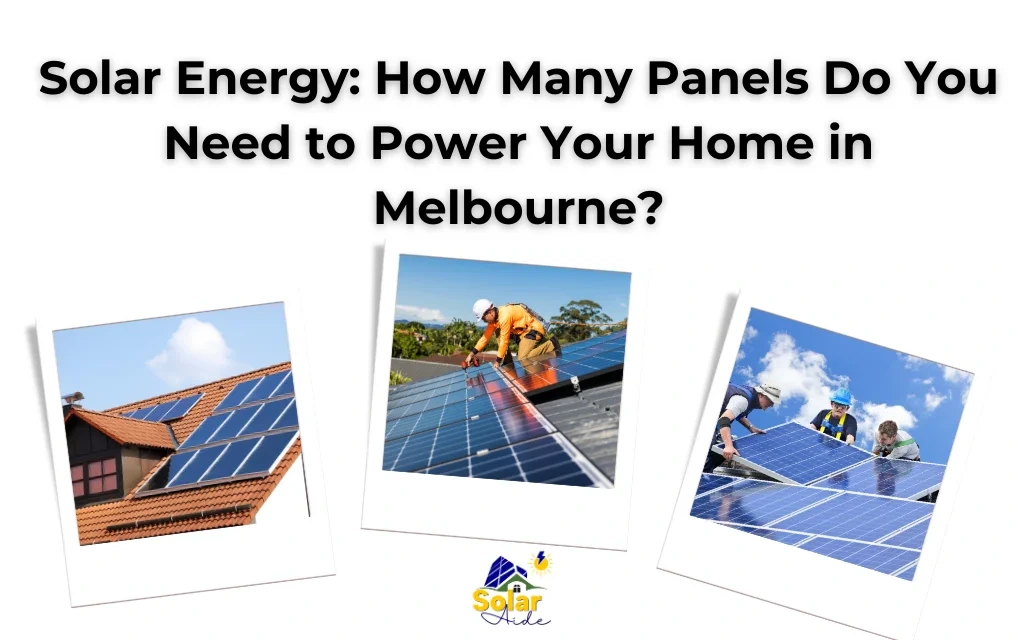
Switching to solar energy is more than an environmentally friendly decision—it’s a smart long-term investment. With Melbourne receiving ample sunshine throughout the year, homeowners can significantly reduce electricity bills while increasing their property’s value.
One of the most common questions homeowners ask is: How many solar panels do I need to power my house?
The answer depends on several factors, including your electricity usage, roof space, panel efficiency, and household size. This guide explains everything you need to know before installing a solar power system.
1. Understand Your Home’s Energy Consumption
The first step is understanding how much electricity your home uses.
The average Australian household consumes around 18 kWh of electricity per day, although larger families or homes with electric heating, cooling, and EV charging can use considerably more.
Keep in mind that:
- Most households use the highest amount of electricity between 4 PM and 8 PM.
- Solar panels generate the majority of their electricity during daylight hours.
- Reviewing your electricity bills over the past 12 months provides the most accurate picture of your annual energy usage.
Knowing your daily consumption helps determine the right solar system size.
2. Choose the Right Solar Panels
Not all solar panels produce the same amount of electricity.
Modern residential solar panels typically range from:
- 275W to 400W+ per panel
Higher-efficiency panels produce more electricity, meaning you need fewer panels to achieve the same system size.
When choosing panels, consider:
- Available roof space
- Household energy requirements
- Budget
- Long-term performance and warranty
3. Assess Your Roof Space
Roof space is one of the biggest factors affecting system size.
A typical residential solar installation requires approximately:
- 8–10 square metres of roof space per 1 kW of solar capacity
For best performance:
- North-facing roofs receive the most sunlight in Melbourne.
- East- and west-facing roofs still perform well.
- Minimise shading from trees, chimneys, or nearby buildings whenever possible.
A professional site assessment will determine the maximum system size your roof can support.
4. Panel Direction and Tilt
Panel orientation directly impacts energy production.
For Melbourne homes:
- Best direction: North-facing
- Ideal tilt angle: Approximately 35°
Correct positioning helps maximise electricity generation throughout the year.
5. Choose the Right System Size for Your Home
As a general guide, household size often reflects electricity usage.
| Home Size | Recommended System | Approximate Panels* |
|---|---|---|
| 2 Bedrooms | 3 kW | 8–12 panels |
| 3 Bedrooms | 3–4 kW | 10–16 panels |
| 4 Bedrooms | 4–5 kW | 14–20 panels |
| 5+ Bedrooms | 6 kW or larger | 20–24+ panels |
*Based on modern residential solar panels. Actual panel numbers vary depending on panel wattage.
6. Melbourne’s Solar Potential
Although Melbourne is known for its changing weather, it still receives enough sunshine to make solar an excellent investment.
Solar production varies throughout the year, so it’s important to consider:
- Seasonal sunlight hours
- Roof orientation
- Panel tilt
- Local shading
Solar production calculators can estimate expected energy generation based on your property’s location and roof characteristics.
7. Financial Incentives and Rebates
Installing solar has become more affordable thanks to government incentives.
Homeowners in Victoria may be eligible for:
- Small-scale Renewable Energy Scheme (STCs)
- Solar Victoria solar rebates
- Solar Victoria interest-free loan (subject to eligibility)
These programs can substantially reduce upfront installation costs and improve your return on investment.
Always check current eligibility requirements before purchasing a system.
8. Maintaining Your Solar System
Solar systems require very little maintenance, but regular care helps maintain peak performance.
Recommended maintenance includes:
- Cleaning panels annually (or when visibly dirty)
- Removing leaves and debris
- Inspecting for damage or loose wiring
- Monitoring energy production using your inverter or monitoring app
- Scheduling professional inspections when required
Keeping panels clean ensures they continue producing maximum electricity.
9. Tips to Maximise Solar Efficiency
To get the most from your investment:
- Install panels in the best possible location.
- Choose high-quality panels and inverters.
- Monitor system performance regularly.
- Schedule professional maintenance annually.
- Improve home insulation to reduce electricity consumption.
- Use major appliances during daylight hours whenever possible.
These simple steps help maximise both energy production and long-term savings.
10. Choosing the Right Solar System
Every home is different.
The ideal solar system depends on:
- Your electricity usage
- Roof size and orientation
- Future energy needs (such as electric vehicles or battery storage)
- Budget
- Available government rebates
Working with an experienced, accredited solar installer ensures your system is correctly designed and delivers the best long-term value.
Conclusion
Determining how many solar panels you need isn’t simply about your home’s size—it’s about balancing your energy consumption, available roof space, panel efficiency, and budget.
With Melbourne’s strong solar potential, generous government incentives, and ongoing savings on electricity bills, investing in solar is one of the smartest upgrades homeowners can make. By selecting the right system and maintaining it properly, you’ll enjoy clean, renewable energy for decades while reducing both your electricity costs and environmental impact.